When a garage door starts acting heavy or a spring breaks, one of the first questions a technician asks is what kind of springs the door uses. Understanding torsion vs extension springs helps you describe the problem clearly, know what to expect from a repair, and spot warning signs sooner. Homes across Fort Myers and Southwest Florida use both types, and you can usually tell which one you have with a quick look from the garage floor. You do not need to touch anything to figure it out.
What Garage Door Springs Actually Do
A garage door is heavy. The springs counterbalance that weight so the door can be opened by an opener, or by hand when the opener is disengaged, without much effort. Both torsion and extension springs do the same job. They just store and release energy in different ways and live in different places in the garage.
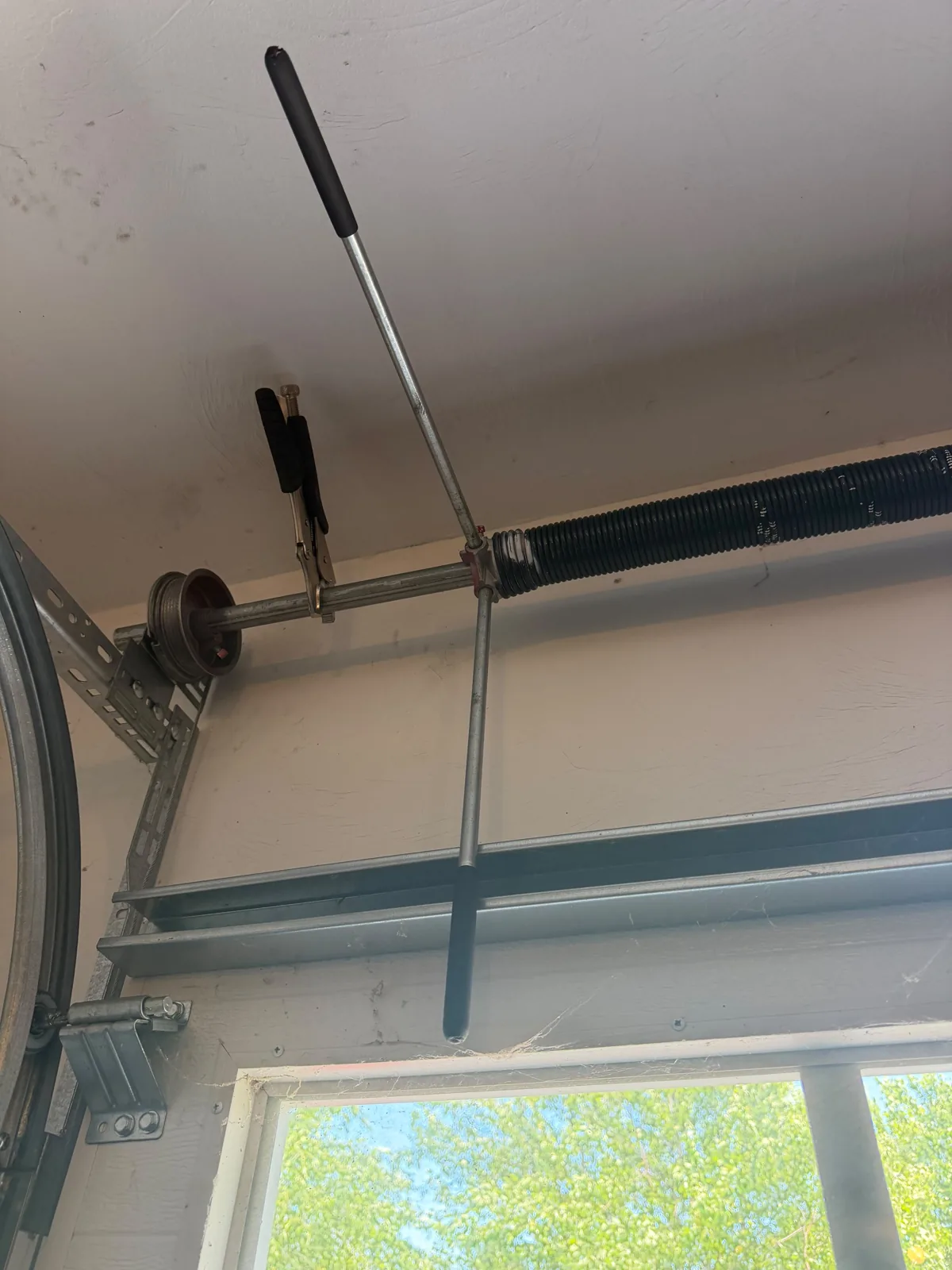
How to Identify Torsion Springs
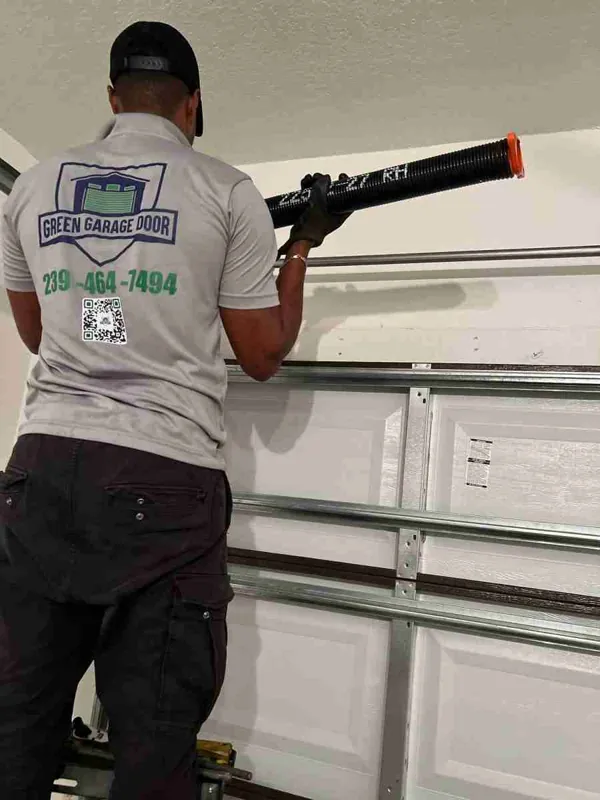
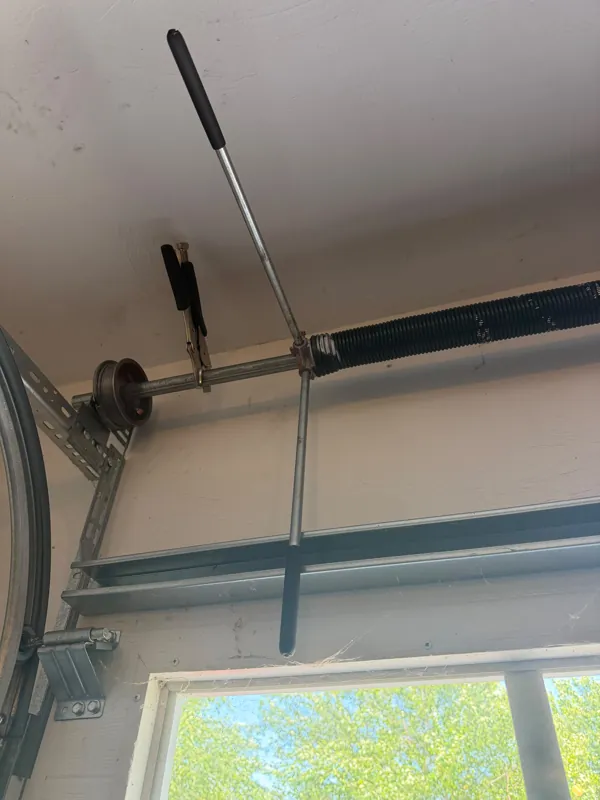
Torsion springs are mounted horizontally on a metal shaft that runs above the top of the garage door opening. Here is what to look for:
- One or two large coiled springs sitting on a bar directly above the closed door.
- A center bracket fastened to the wall, with the spring on one or both sides of it.
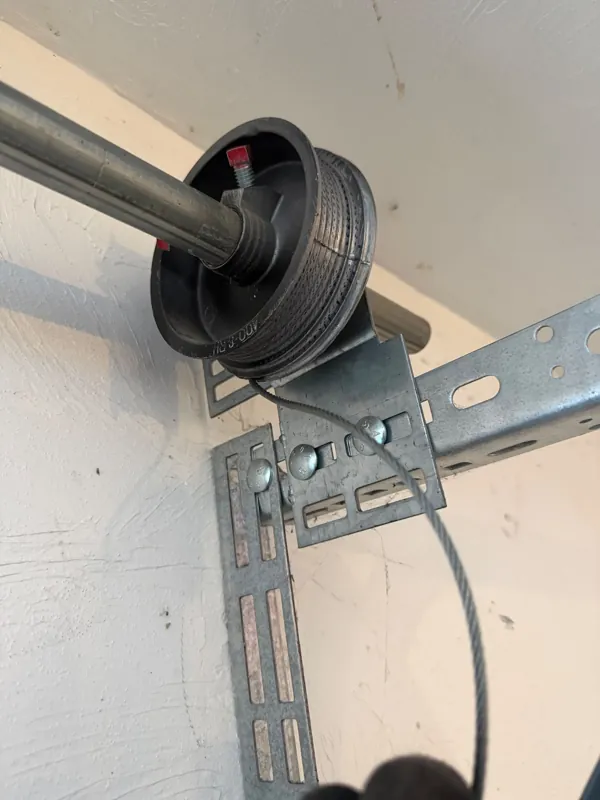
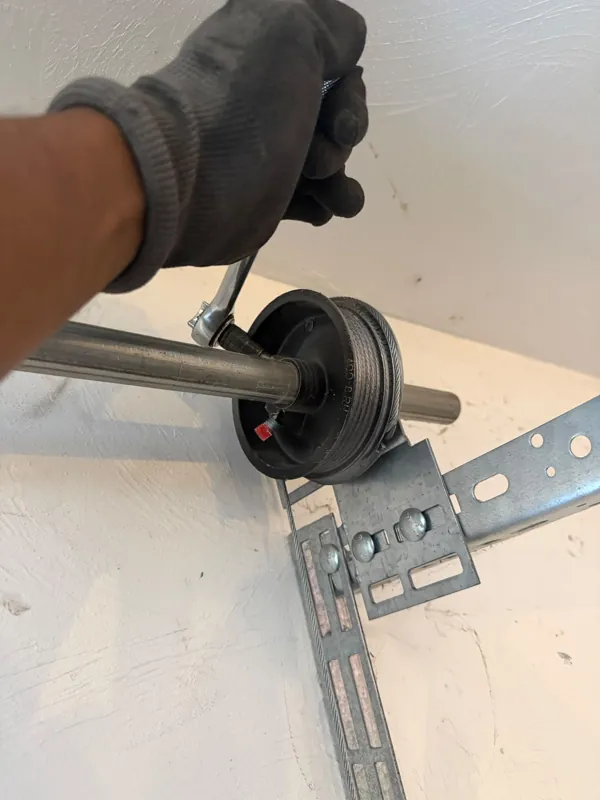
- Cable drums at each end of the shaft, near the top corners of the door.
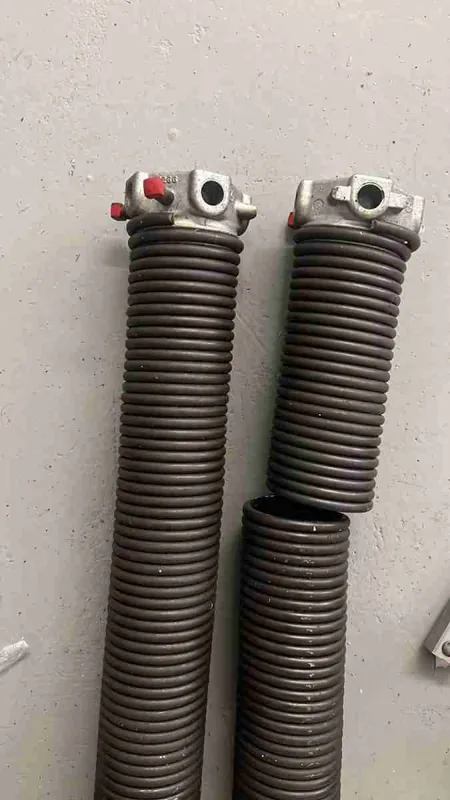
- Cones at the ends of each spring, which hold the spring to the shaft.
When the door closes, a torsion spring twists and stores energy. When the door opens, the spring unwinds and turns the shaft, which winds the cables onto the drums and lifts the door.
How to Identify Extension Springs
Extension springs run along the sides of the door, parallel to the horizontal tracks that hang from the ceiling. Look for:
- Long springs above each horizontal track, stretching toward the back of the garage.
- Pulleys and cables connected to the springs.
- Springs that visibly stretch longer when the door is closed and shorten when it is open.
- Ideally, a safety cable running through the center of each spring.
Extension springs stretch to store energy. That safety cable through the middle matters: if a spring breaks, the cable helps keep the broken pieces from flying across the garage. If you have extension springs and do not see safety cables, mention it to your technician.
Key Differences Between the Two
Both spring types can work well, but they behave differently day to day:
- Location. Torsion springs sit above the door opening. Extension springs run along the tracks on each side.
- Balance and feel. Torsion systems tend to lift the door more evenly because the shaft turns both drums together.
- How they fail. A broken torsion spring usually stays on the shaft. A broken extension spring relies on the safety cable to stay contained.
- Space. Extension springs can be a fit for garages with limited room above the door.
- Doors and weight. Heavier doors, including many insulated and wood doors, commonly use torsion springs.
Is One Type Better for Florida Homes?
There is no one answer for every garage. Southwest Florida’s humidity and salt air affect both types, especially near the Gulf and on islands like Sanibel and Marco Island. What matters most is that the springs are the right size for your door and kept in good condition. Some homeowners choose to convert from extension to torsion during a repair for smoother operation. A technician can tell you whether that makes sense for your door and garage layout.
Why Spring Type Matters for Repairs
Knowing your spring type helps when you call for service. It gives the technician an early idea of the parts and setup involved. It also helps you understand what you are seeing if something goes wrong, such as a gap in a torsion spring or a sagging extension spring on one side.
Whatever type you have, the safety rule is the same: springs are under high tension and should only be adjusted, replaced or removed by a trained technician. Safe homeowner checks are limited to looking for rust, gaps, stretching or uneven door movement, and listening for new noises.
When to Call a Pro
If you notice a gap in a spring, a door that feels heavy, uneven lifting or missing safety cables, it is time for a professional inspection. Green Garage Doors handles garage door spring replacement for both torsion and extension systems in Fort Myers and nearby cities, along with full tune-ups and maintenance. Call (239) 464-7494 for service or a free estimate.
Frequently asked questions
How do I know if my garage door has torsion or extension springs?
Look above the closed door. If you see a coiled spring on a horizontal shaft above the opening, you have torsion springs; if long springs run along the side tracks, you have extension springs.
Can I switch from extension springs to torsion springs?
In many garages, yes. A technician can check your door weight, headroom and hardware and tell you if a conversion is a good fit.
Are torsion springs safer than extension springs?
Both are safe when properly installed and maintained. Extension springs should always have safety cables, and either type should only be serviced by a trained technician.